< Back to investment courses overview
Short-term investing with pivots: structure, timing, and discipline
Discover how to use pivots, momentum, and clear rules to structure short-term investing. Practical explanation and video with examples.
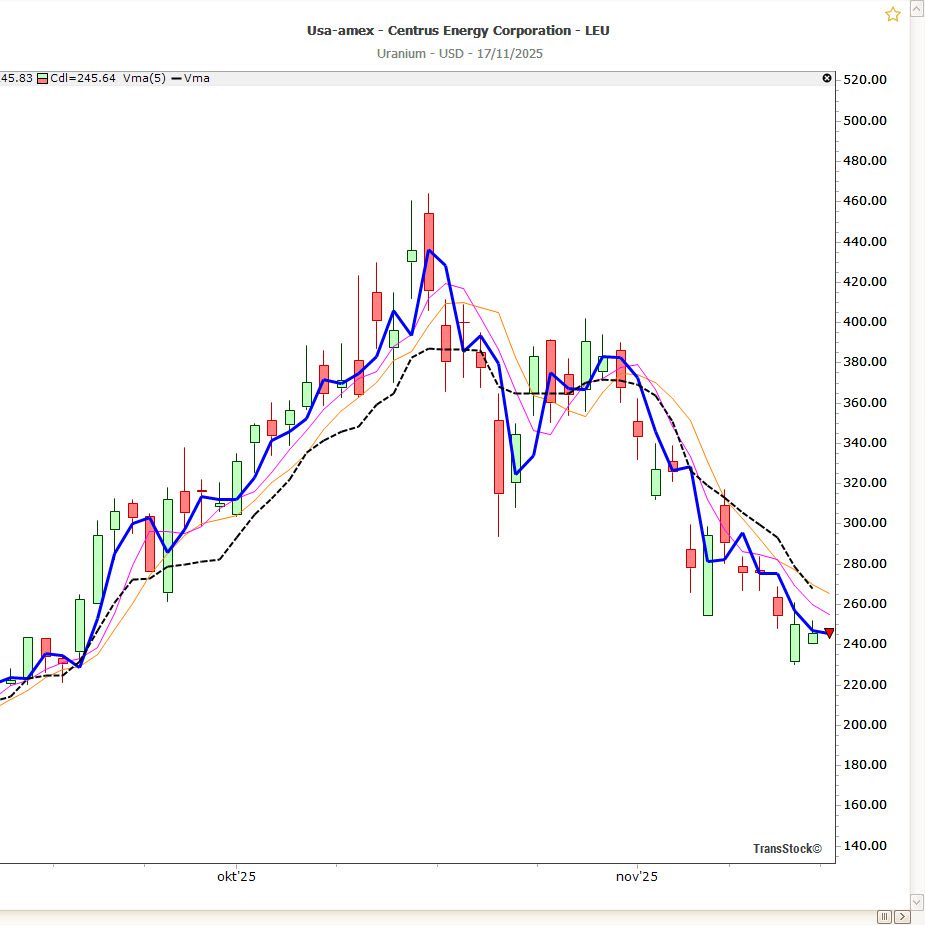
Short-term investing requires structure, discipline and clear rules.
Without a plan, a short-term position quickly becomes a medium-term or even long-term one
term investment — often with disappointing results. In the video on this page, Mark explains step by step how he
short-term investing with pivots tackles, combined with momentum,
simple averages and a clear exit strategy.
No complicated theory, but a practical and applicable system.Watch the full video above with explanations and practical examples.
What is short-term investing?
Short-term investing doesn't mean the same thing for everyone.
For some this is intraday, for others it is several weeks or months.
In this approach we define short-term investing as:
- a horizon of a few weeks to a maximum of two months
- working with short averages
- and especially: get out on time according to fixed rules
Those who start with short term trading should avoid a losing position
remains open in the hope of recovery.
Why work with pivots?
Pivots are calculated based on the high, low and close from the previous period
and function as dynamic reference lines.
They help to:
- to filter noise from the course
- to look at support and resistance more objectively
- to improve the timing of entry and exit
In this strategy, the pivot line the base, supplemented with
very short averages (3 and 5 periods) to confirm momentum.
Selecting stocks: don't follow everything
A common mistake in short-term investing is
monitoring too many shares at the same time.
In the video you see how Mark works with:
- a limited and targeted selection
- shares with clear movement and volume
- conscious avoidance of sideways or “dead” stocks
In addition, the market momentum a crucial role.
In a strong market there are more opportunities; in a weaker market caution is needed.
Entry, follow-up and exit
A good system is not just about boarding.
In this approach:
- boarding only occurs at a clear technical signal
- the position will be held as long as the price is above the VMA stop line notes
- the excursion only follows at a lock under the stop
This prevents emotional decisions and ensures
consistency, an essential element in short-term investing.
Also useful on other time horizons
Although this video focuses on the short term,
the same methodology can also be applied to:
- weekly charts
- longer trends
- or as a supplement to an existing investment strategy
The core always remains the same:
structure, clear rules and discipline.
Want to learn more about investing?
Do you want to get started with technical analysis and structured investing yourself?
Discover our training courses and workshops on investing